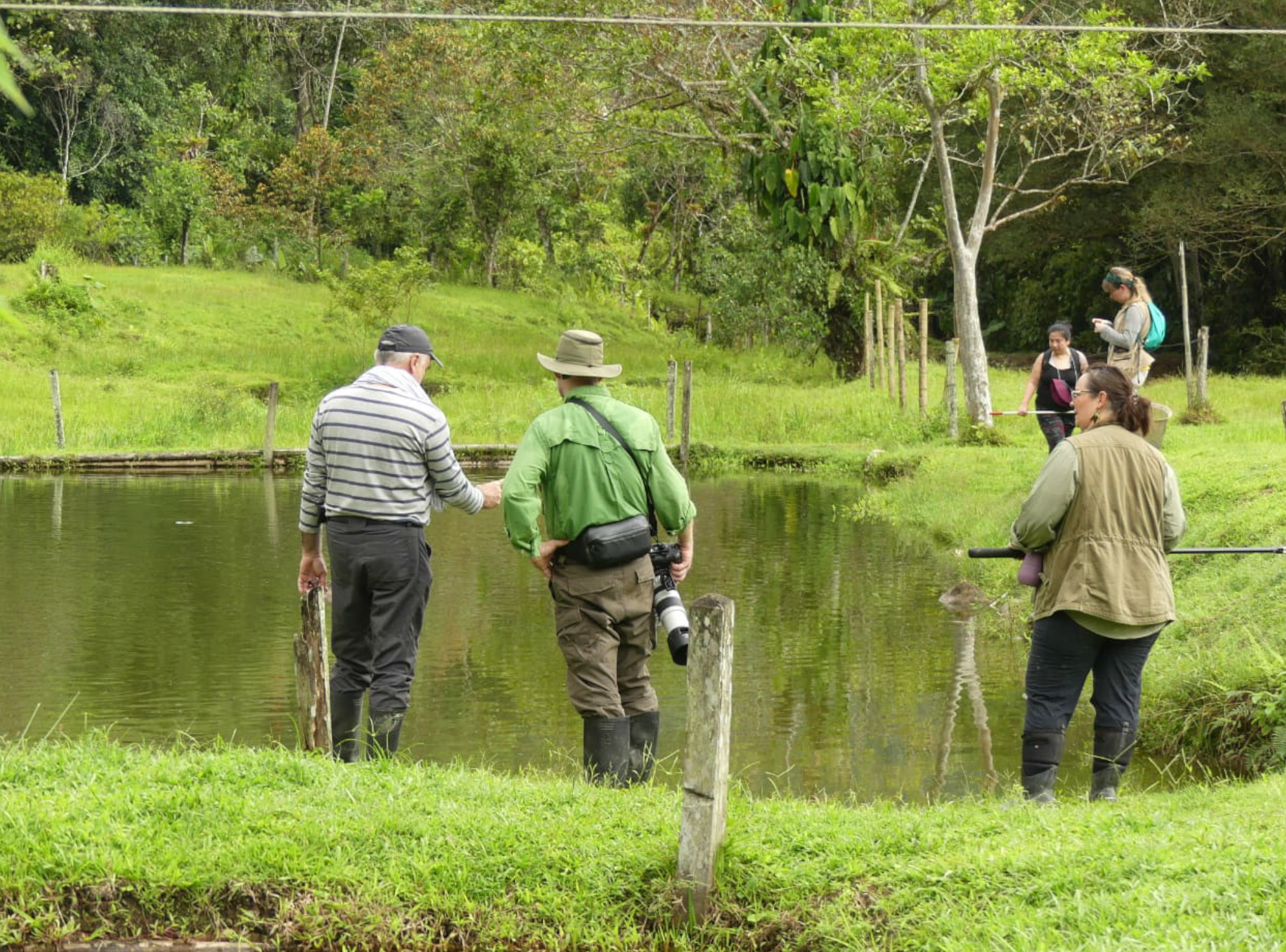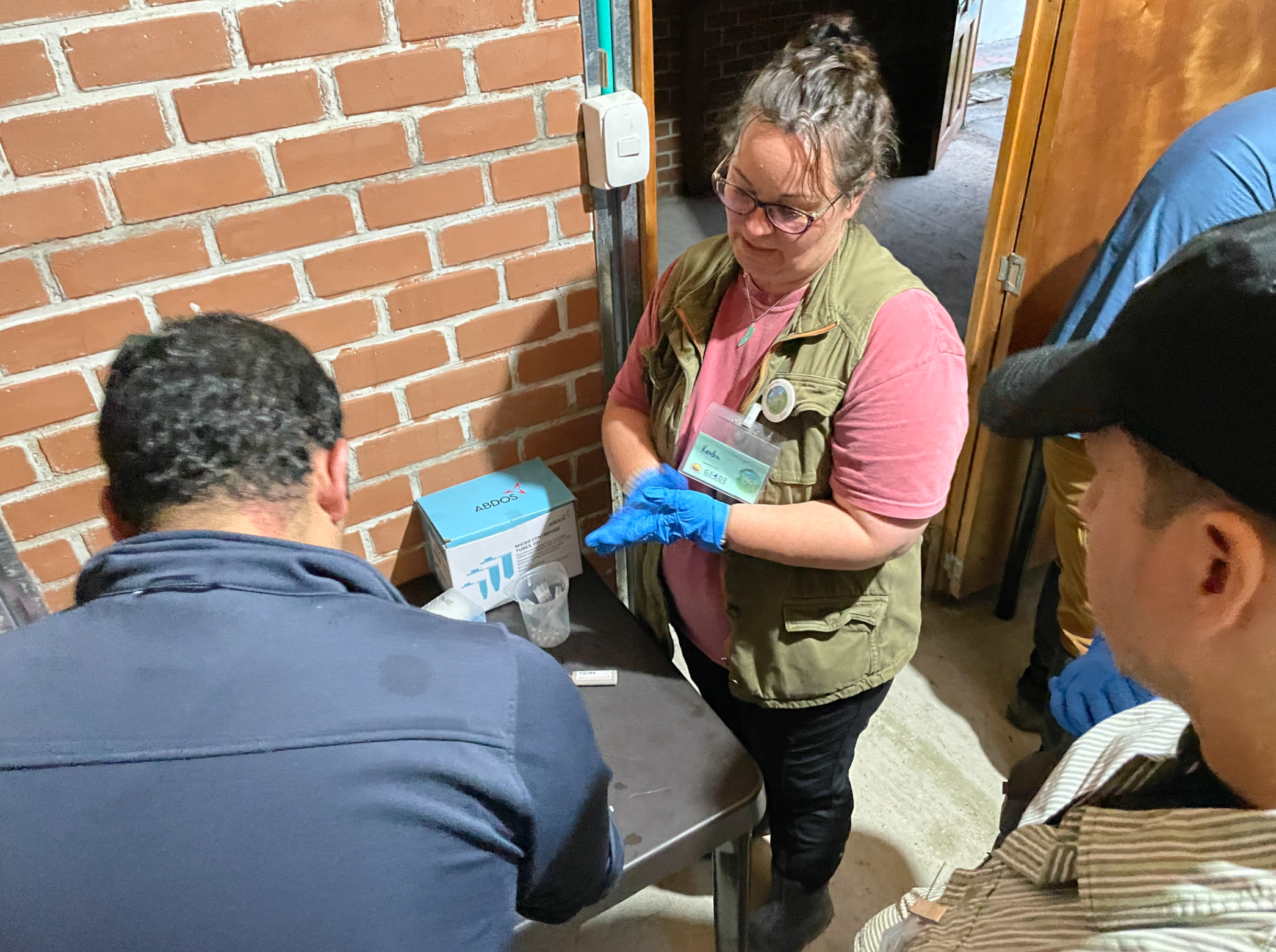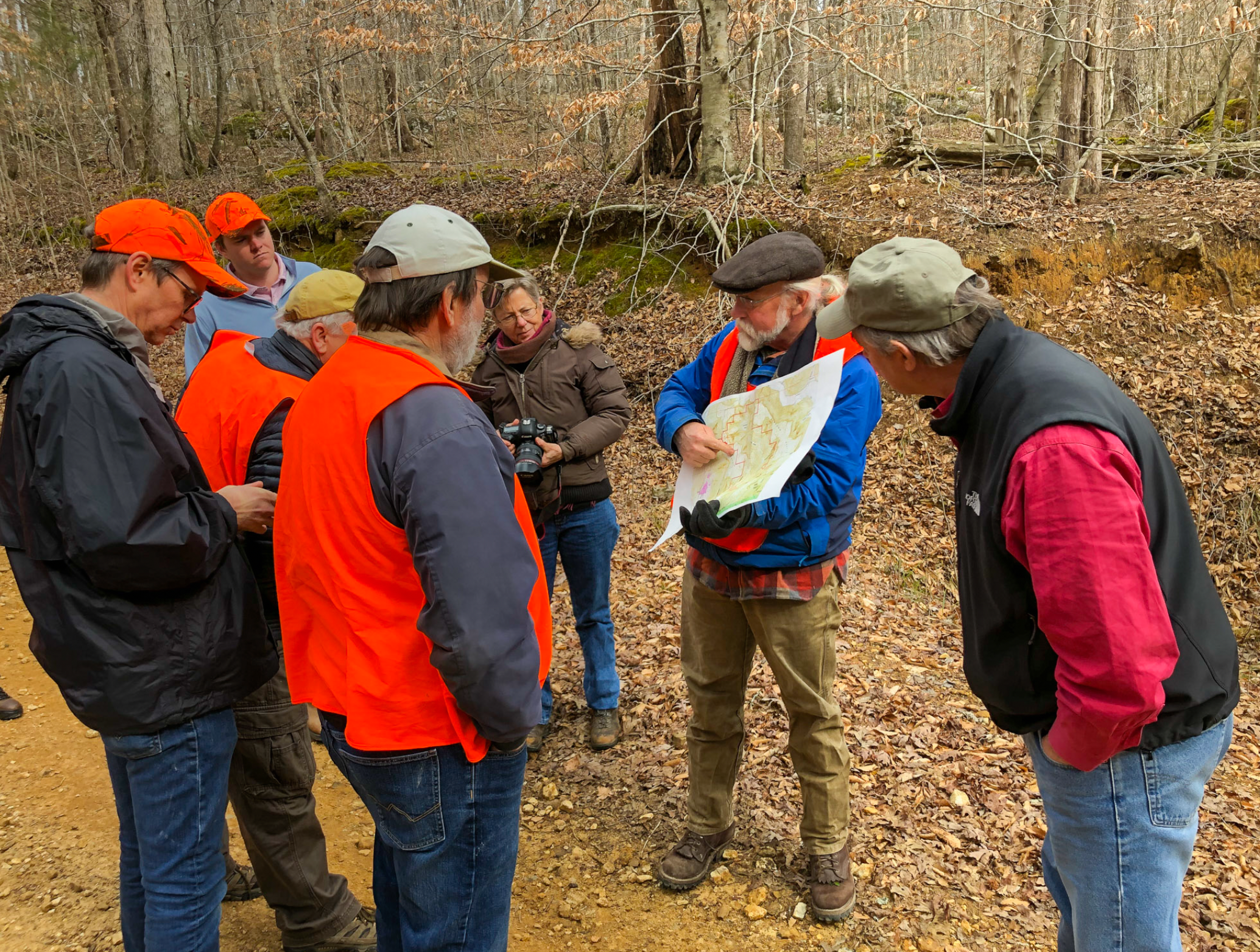
February 12, 2026Community Engaged Scholarship: Scientists - Community Members - Science Communicators - Government Officials
Paint Rock Research Center can be a model for a place for a fundamentally different relationship between communities and science centers. Where scientists and the surrounding community jointly identify needs, exchange knowledge, and develop research together that results in real change in the community.
❋ Evidence community engaged scholarship works1) Garlick, S., & Fallon, K. (2023). The ECO framework: Advancing evidence-based science engagement within environmental research programs and organizations. BioScience, 73(6), 422–432. https://doi.org/10.1093/biosci/biad037
Garlick and Fallon (2023) propose the ECO framework as a practical approach for helping environmental research organizations develop more meaningful and evidence-based relationships between scientists and society. Garlick and Fallon argue that science engagement is often fragmented across science communication, informal science education, participatory research, and sustainability science. The ECO framework integrates insights from these areas into a strategy that research organizations can use when planning engagement activities.
This framework was used successfully in two long-term ecological research sites in northeastern US at Hubbard Brook Experimental Forest in New Hampshire and Harvard Forest in Massachusetts. Both places used this model to create new low cost ice measurement protocol for back yard weather observers. The Wildlands and Woodlands project was concerned with the forests into the future and what forest loss, agriculture and conservation would look like for the forests. They used local knowledge to predict if they took a specific action now what would biodiversity, flood regulation, nutrient retention, timber production look like into the future. This information helped policy makers and planners make educated decisions specifically about their community.
Formative engagement (listening + relationships)
↓
Codesign & coproduction (working together)
↓
Broader outreach (expanding participation and sharing results)
↓
Stronger science–society relationships, including trust
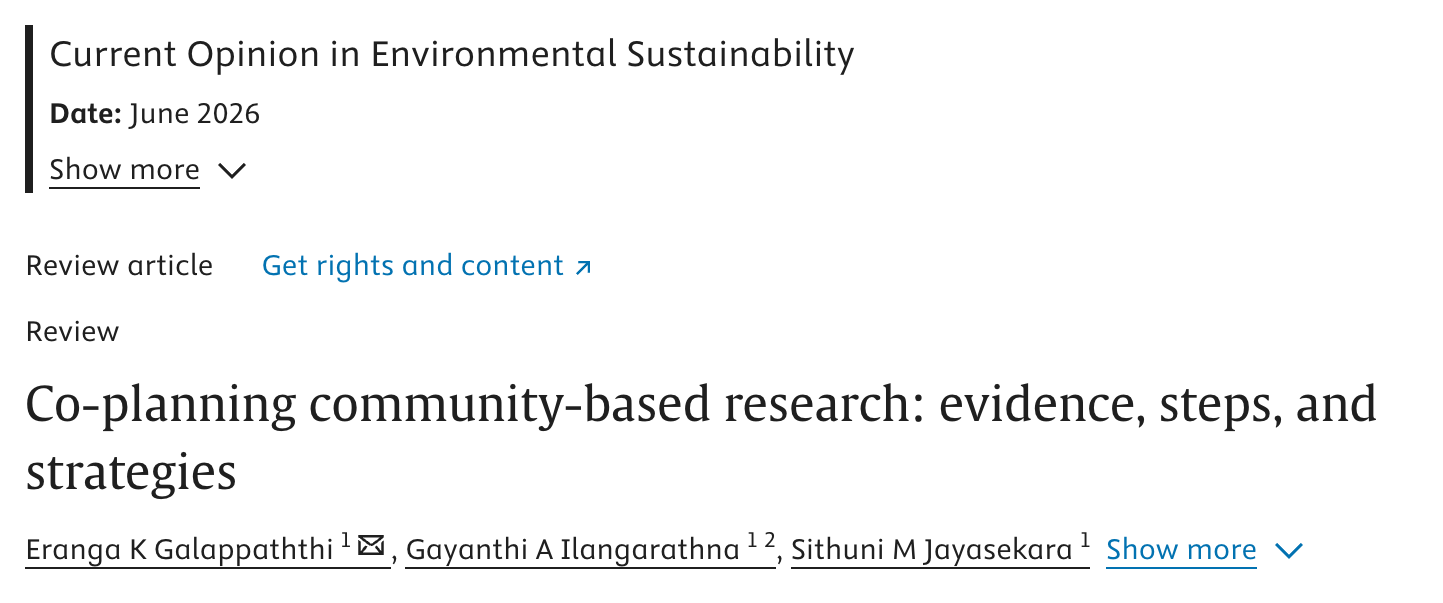
2) Galappaththi, E. K., Ilangarathna, G. A., & Jayasekara, S. M. (2026). Co-planning community-based research: Evidence, steps, and strategies. Current Opinion in Environmental Sustainability, 80, 101624. https://doi.org/10.1016/j.cosust.2026.101624
Galappaththi et al. (2026) argue that effective community-based research should begin before researchers establish research questions or design a study. They describe this early collaborative process as co-planning: researchers and communities jointly determine the purpose, priorities, governance, methods, and intended outcomes of research. This is in contrast with conventional research in which researchers arrive with predetermined questions that may reflect academic priorities more than community needs.
Based on a narrative review of recent scholarship, particularly research involving Indigenous communities, Galappaththi et al. (2026) identify five interconnected steps for effective co-planning: (1) building trust and relationships, (2) jointly identifying community and research priorities, (3) co-designing research questions, (4) establishing shared governance and decision-making structures, and (5) planning for continuity of the relationship beyond an individual project.
3) Duff, A. J., Wilmer, H., & Reynolds, J. (2026). Co‐produced agricultural research can provide value for communities while building trust and public support for science. Agricultural & Environmental Letters, 11(1), e70053. https://doi.org/10.1002/ael2.70053
Duff et al. (2026) shows us that co-production can make scientific research more relevant to communities while also strengthening relationships between scientists and the public. The authors focus on agricultural research, where scientists sometimes develop solutions that farmers and ranchers do not adopt because the research does not adequately reflect local conditions, economics, culture, or lived experience. Co-production addresses this disconnect by treating community members as partners and decision-makers in the research process, rather than simply recipients of scientific information.
Importantly, Duff et al. connect co-production with trust and public support for science. By sharing decision-making authority, respecting community expertise, and demonstrating that research can address locally meaningful problems, co-production can help communities see science as a useful problem-solving resource. However, the authors emphasize that this approach requires substantial time, relationship-building, institutional support, and willingness by scientists to share power.
❋ Other field stations that have been successfulMcMaster University: Community Engagement

McMaster University provides valuable resources and workflows for developing research questions collaboratively with community partners. Its Research Shop works with organizations to identify community-based research questions and then connects those communities with researchers who can help address them. This approach allows communities to help drive research priorities while focusing on real-world problems that matter to them. In addition to being a strong model of community-engaged research, the Research Shop provides useful resources and guidance that other institutions can adapt when developing similar programs.

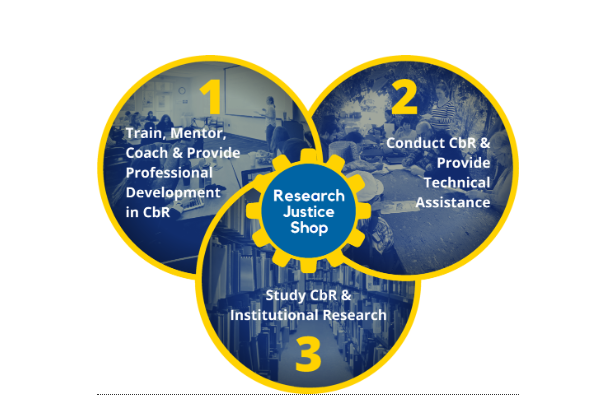
The University of California system supports community-engaged scholarship by connecting university researchers with communities that have historically been excluded from the research process. Through UC Irvine’s Research Justice Shop, community partners help identify and define research priorities, and the program facilitates collaborations with researchers who have the appropriate expertise to address those needs. This provides a strong example of how an organization with diverse research expertise can build meaningful partnerships with its surrounding communities. The Research Justice Shop offers a useful model that could be adapted for the Paint Rock Forest Research Center.
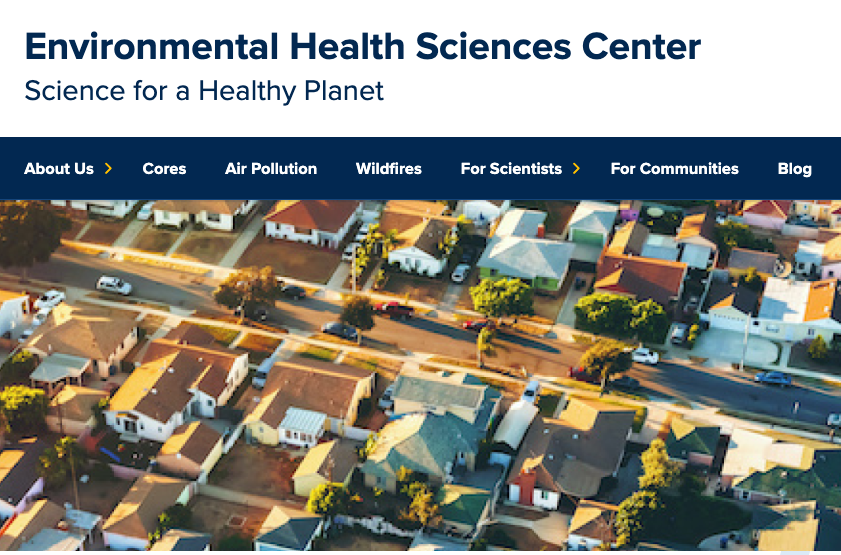
The UC Davis Environmental Health Sciences Center uses community-engaged research to connect scientists with communities facing environmental health concerns. A community stakeholder committee helps identify and prioritize community needs and facilitates collaborations with scientists who have the expertise to address those issues. The Center emphasizes two-way communication, long-term relationships, shared priorities, and moving scientific findings from research into action. This approach is particularly focused on using collaborative research to create tangible, meaningful changes within communities.