❋
Paint Rock Evaluation
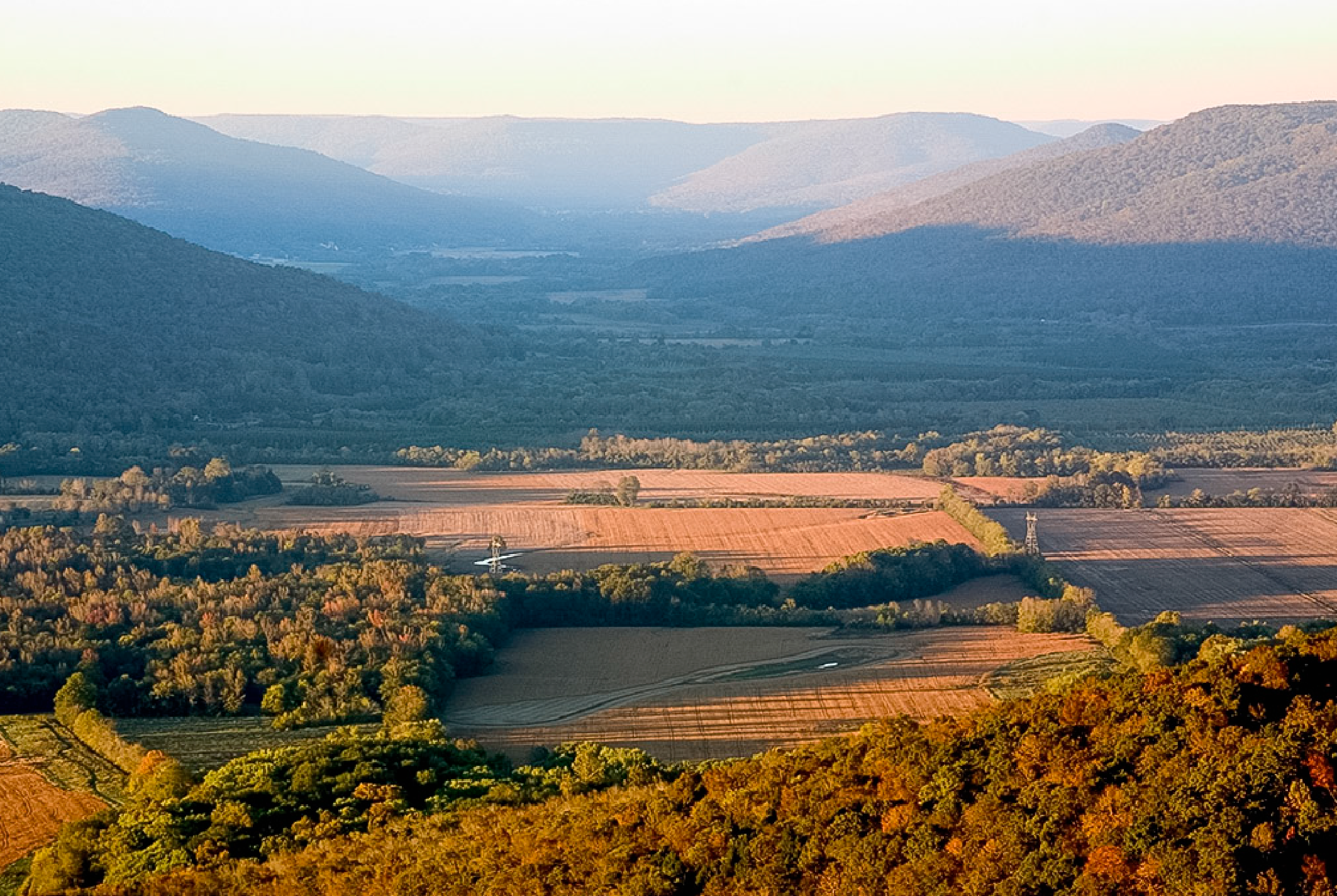
Feedback from Paint RockTo explore opportunities for community engagement at the Paint Rock Forest Research Center (PRRC), I spoke with Kelsey Barnett-Fischels about successful outreach programs, existing community networks, and potential collaborators in northern Alabama.
Kelsey emphasized the importance of working with organizations that already have established relationships within their communities. We discussed several examples of environmental education and outreach, including teacher training workshops, Jackson County schools, the Huntsville Green Team, and the Huntsville Botanical Garden. Local libraries and schools were also identified as potential partners because they provide trusted spaces for connecting with residents.
Our discussion highlighted an important gap between traditional science outreach and genuine community engagement. While PRRC has considerable scientific expertise and educational opportunities, developing a more structured approach to identifying community needs and involving residents in research decisions could strengthen its impact. This aligns with science communication research emphasizing dialogue, shared decision-making, and meaningful public participation (Nisbet & Scheufele, 2009; Stilgoe et al., 2014; Shirk et al., 2012).
Following our conversation, Kelsey introduced me to Kathryn Williamson, who is involved with the American Physical Society's Science Trust Project. This initiative explores ways to cultivate trust in science, making Kathryn a particularly promising potential collaborator as PRRC develops its community-engaged research framework.
Overall, Kelsey's feedback reinforced the importance of building sustainable, reciprocal partnerships rather than relying solely on traditional educational outreach. By collaborating with established community organizations and science communication professionals, PRRC can work toward research that is shaped by local priorities, strengthens trust in science, and addresses environmental challenges important to surrounding communities.

❋
Class Colleague Evaluation
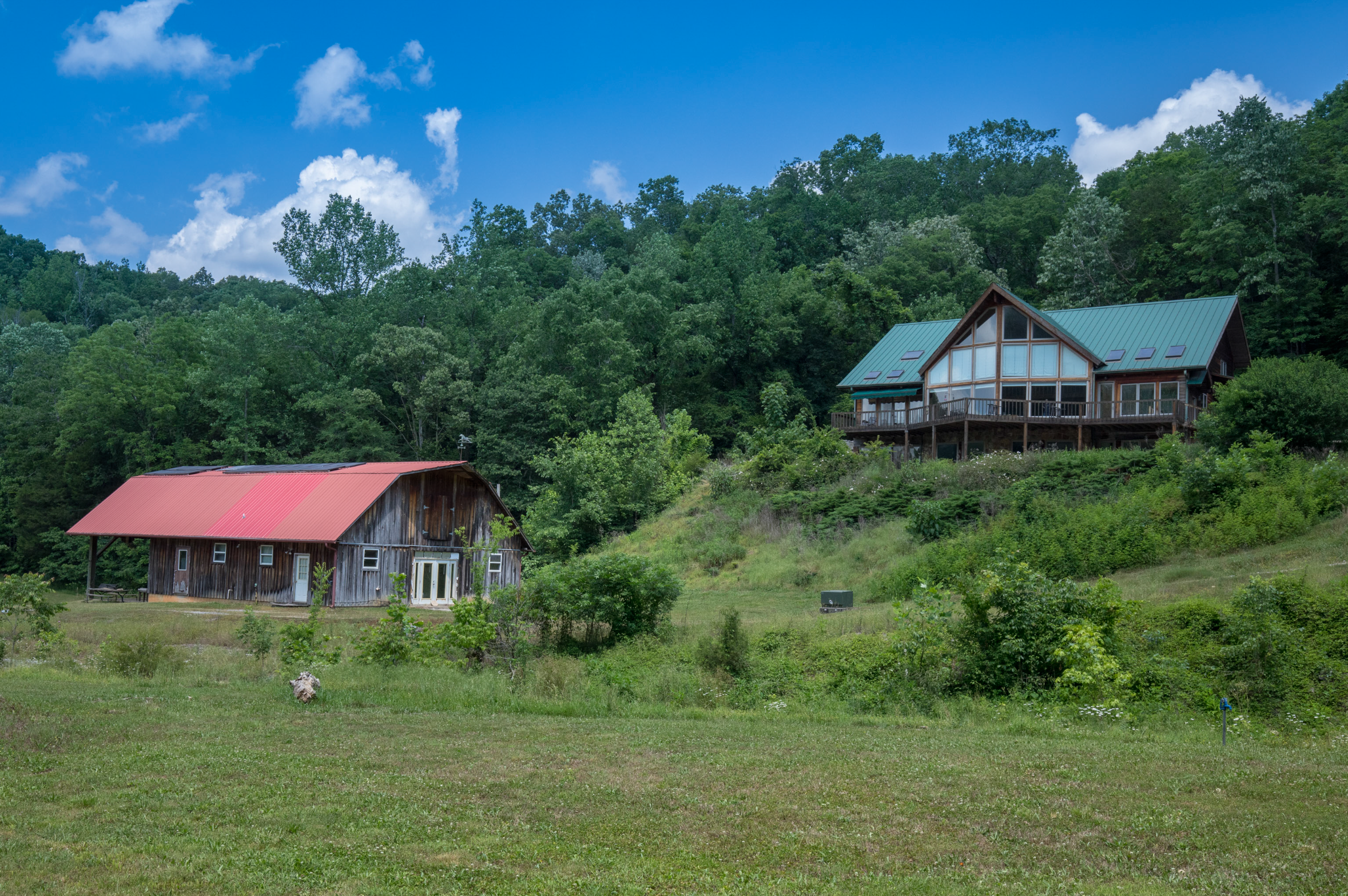
Feedback from Sophia FernandezI met with my classmate Sophia to review my community engagement project at the Paint Rock Forest Research Center (PRRC) and discuss opportunities to strengthen both the project and my website. Our conversation focused on identifying potential community partners, understanding local needs, and making scientific information more accessible.
Sophia recommended several improvements to my website, including linking more of the scientific literature and community engagement research I have reviewed. This would provide visitors with additional resources and help explain the research supporting my proposed approach. She also suggested adding descriptions to photographs to improve accessibility for individuals using screen readers, an important consideration for making scientific information available to diverse audiences.
One of Sophia's most valuable suggestions was to explore farmers markets as potential places to connect with local farmers and community members. Farmers markets could provide opportunities to build relationships with residents who have firsthand knowledge of local environmental and agricultural challenges. She also encouraged me to identify other places where community members naturally gather rather than expecting residents to come to PRRC.
Sophia recommended conducting interviews with community members to better understand their interests, concerns, and research needs. This would help address a current gap in PRRC's proposed engagement framework: the need for a systematic process to identify community priorities before developing research projects or outreach programs.
These recommendations align with science communication research emphasizing dialogue and public participation rather than one-way information sharing (Nisbet & Scheufele, 2009; Stilgoe et al., 2014; Shirk et al., 2012) also emphasize the importance of designing research collaborations that create meaningful opportunities for public participation.
Our discussion reinforced the importance of meeting communities where they are, listening before developing programs, and ensuring that scientific resources are accessible to diverse audiences. Moving forward, I plan to explore partnerships with local farmers markets and community gathering spaces, conduct interviews to identify local priorities, and improve the accessibility and resources available on my website.