Small Creatures. Big Connections. Meaningful Change.
Connecting scientists, communities, and leaders through nature, collaborative inquiry, and shared action.
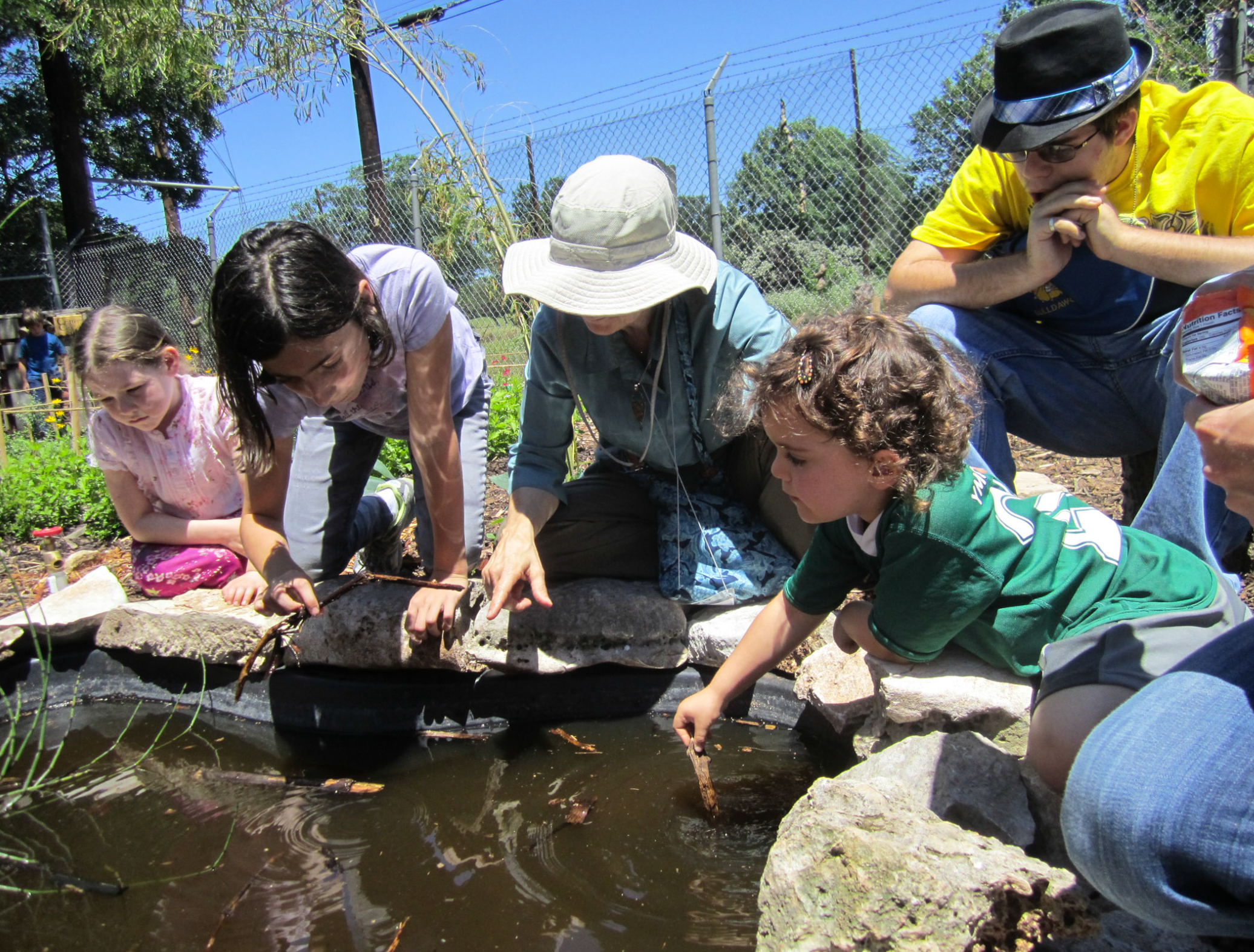
My science communication journey:
I am a doctoral student in the College of Communication and Information Sciences at The University of Alabama. My research interests center on the science of science communication and, more specifically, understanding how we can communicate scientific information in ways that are relevant and useful to people as they make decisions that affect their daily lives.
I am developing this Community-Engaged ePortfolio (CP-eP) as part of my work in Community-Engaged Scholarship (CIS 675) during Fall 2026. In this ePortfolio, I examine current approaches to science communication and community engagement at the Paint Rock Forest Research Center in Paint Rock, Alabama. I also identify existing and potential collaborators and partners at the local, regional, national, and international levels who can contribute to shared goals in science communication, research, and community engagement.
Through this work, I propose strategies for strengthening connections among Paint Rock scientists and the surrounding communities. Central to this approach is the recognition that effective science communication is not simply about communicating scientific knowledge to a community. It is a collaborative process that brings scientific expertise together with community knowledge, experiences, needs, and priorities. By creating opportunities for dialogue and collaborative inquiry, scientists can better understand the questions that matter to local communities, while community members can help shape how scientific knowledge and research are applied to real-world challenges.
By bringing together scientists, science communicators, community members, local leaders, and government officials, I hope to facilitate meaningful collaboration at the intersection of science, community, and policy. Ultimately, the goal is to build relationships that allow science and community knowledge to work together, advancing scientific understanding while helping communities address local challenges and create meaningful, lasting change.
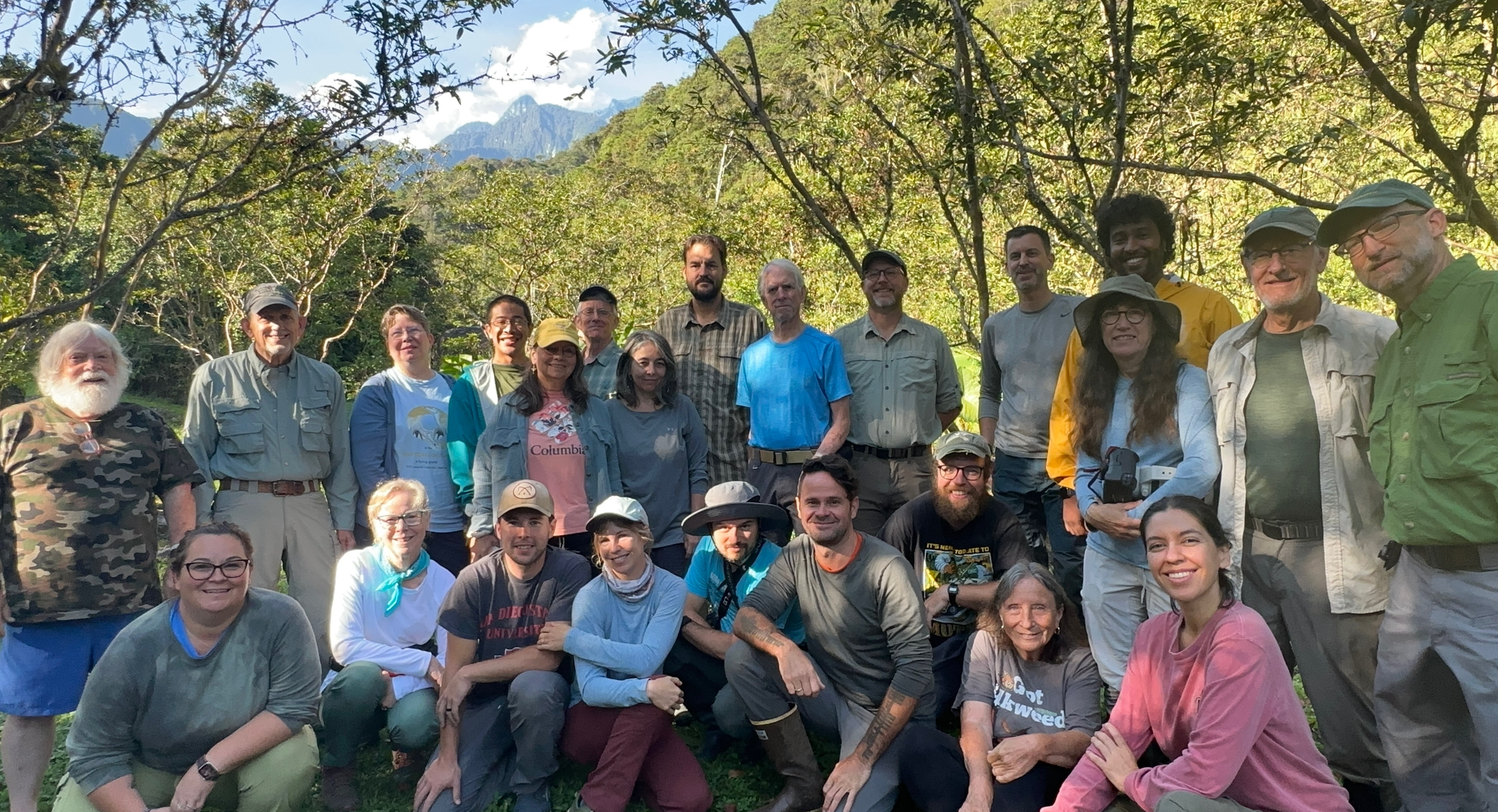
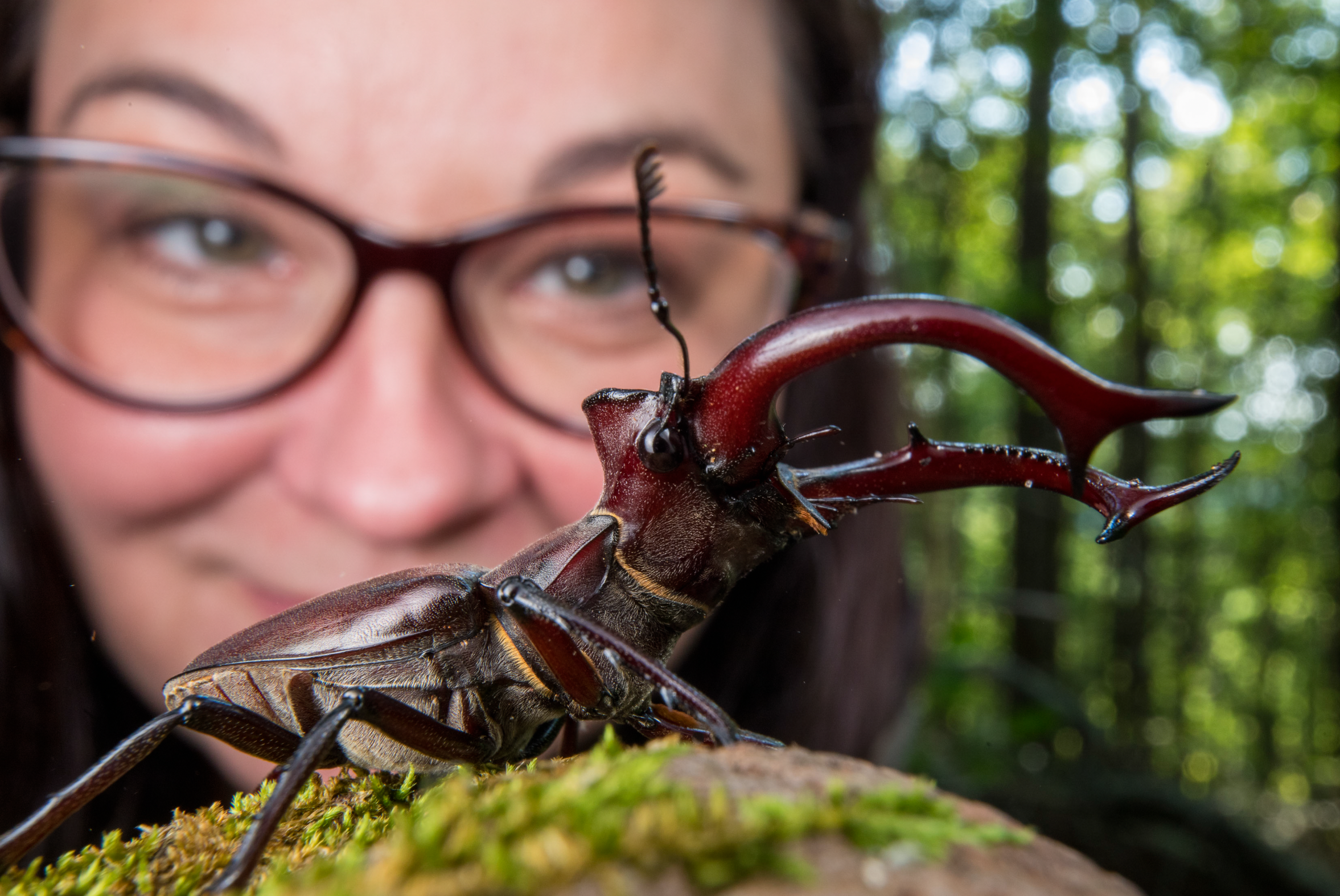
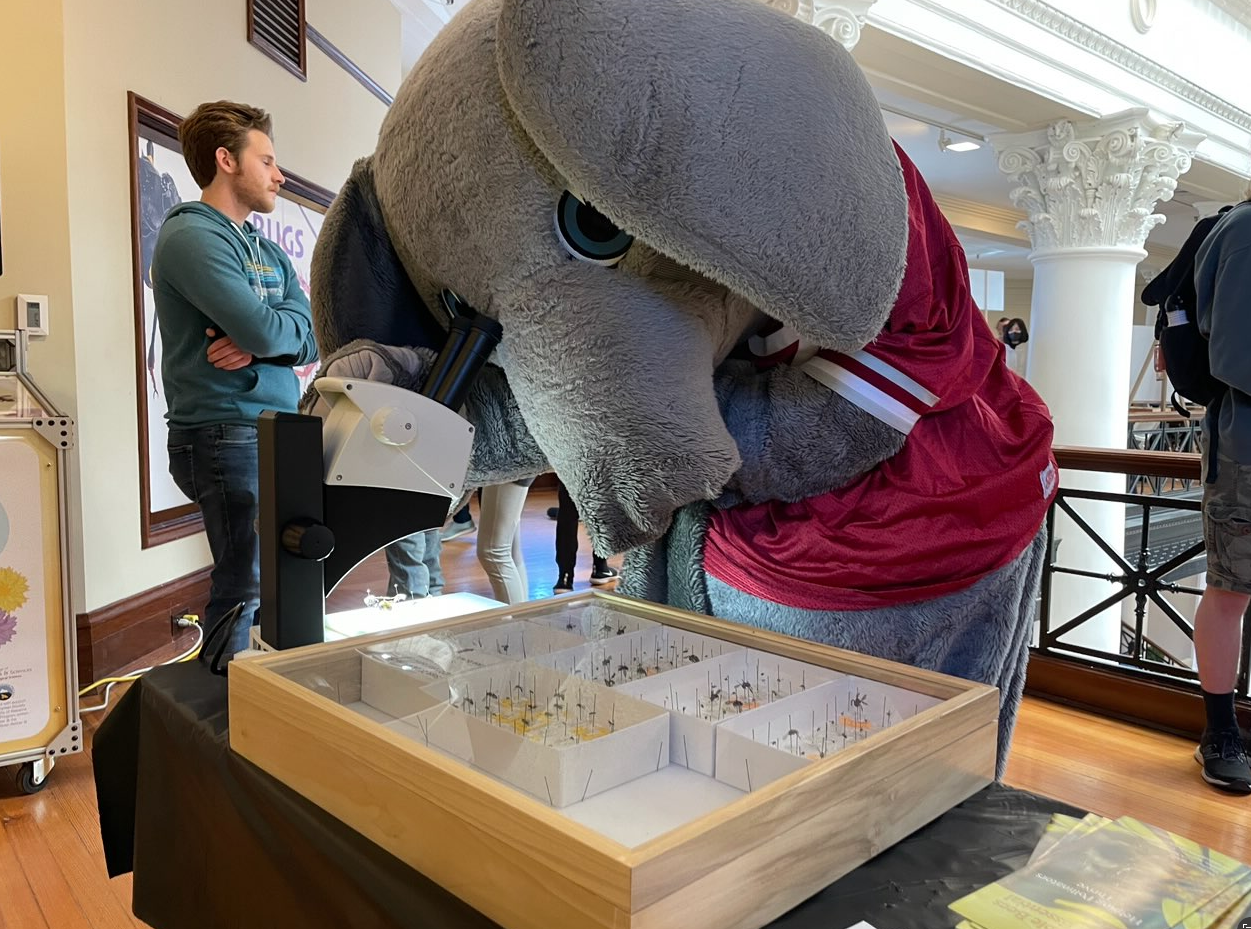
Driven by passion
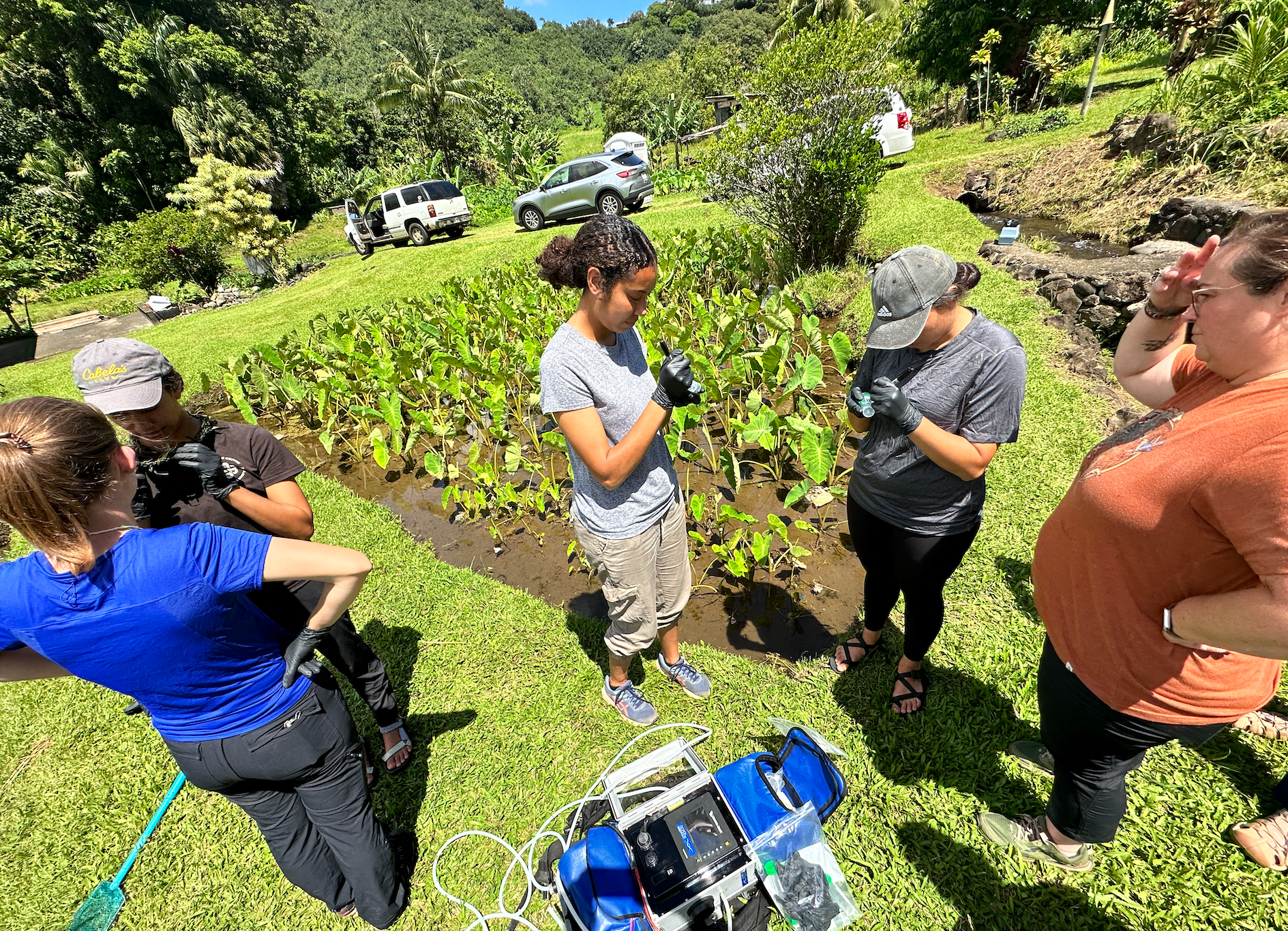
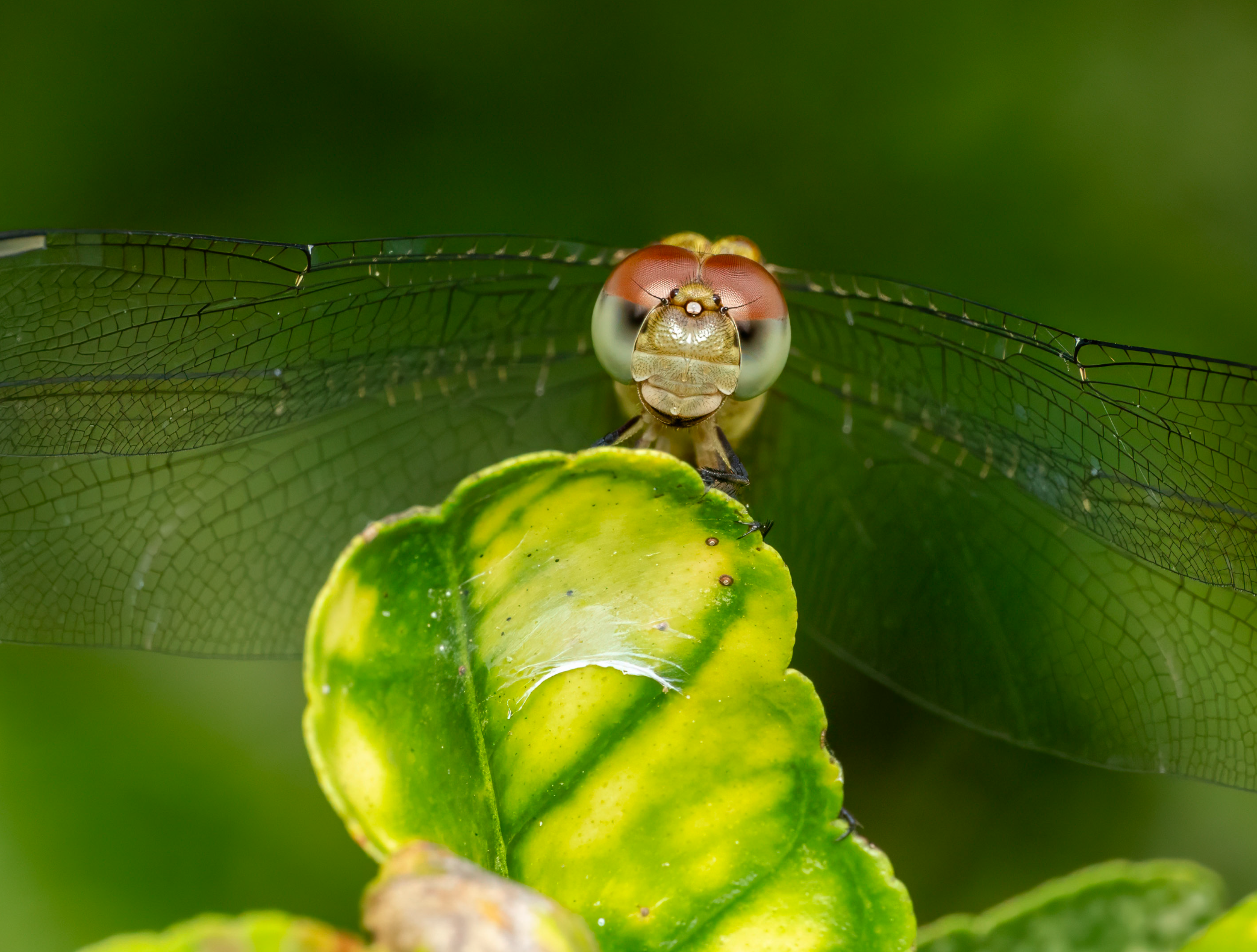
My perspective as a developing science communication scholar is shaped by the first half of my career as an ecologist studying rare and endangered species, primarily insects. My research has focused on using environmental DNA (eDNA) to detect rare and difficult-to-observe dragonflies and damselflies. Because these species depend on aquatic ecosystems, my scientific work has also exposed me to broader environmental issues involving water quality, biodiversity, and freshwater conservation in Alabama.
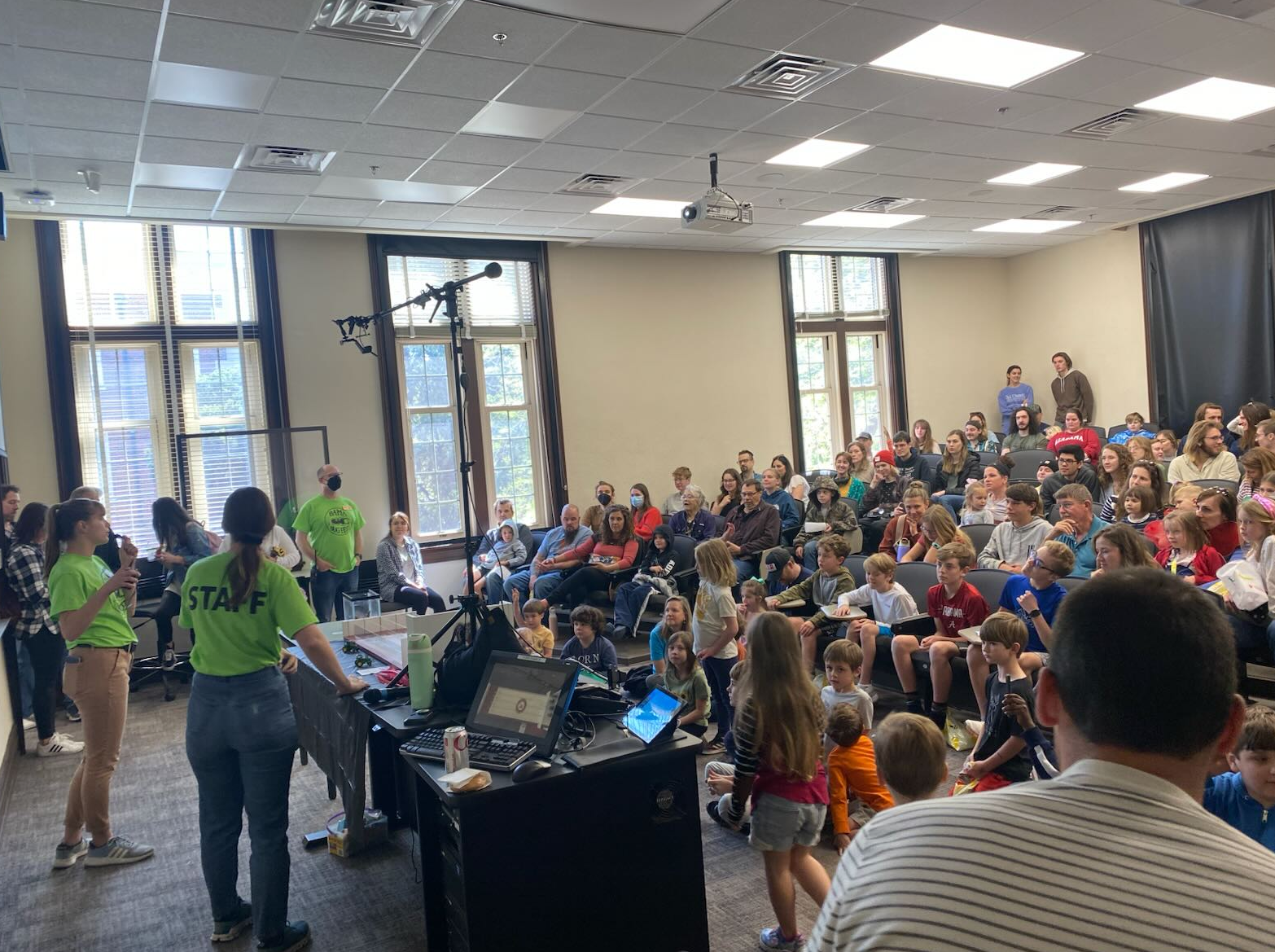
My professional identity lies at the intersection of scientist and science communicator. Alongside my scientific research, I have spent more than 25 years participating in public science engagement, ranging from insect festivals and educational outreach to presentations and conversations with community organizations. Experiencing science from both perspectives, as someone who produces scientific knowledge and someone who communicates it, has shaped how I think about the relationship between scientists and the public. It has also made me increasingly interested in how we communicate complex and potentially divisive scientific topics, such as climate change, in ways that are relevant, accessible, and meaningful to diverse audiences.
To me, community-engaged scholarship challenges the idea that science communication is primarily about transferring knowledge from experts to the public. Instead, it recognizes that scientists and communities bring different forms of knowledge, experiences, and perspectives to the conversation. Garlick and Fallon’s (2023) ECO framework aligns with my viewpoint and emphasizes engagement, collaborative inquiry, and outreach, providing an approach in which communities can become participants in the scientific process rather than simply audiences for scientific information. Besley et al. (2021) study shows that collaborations between scientists and community organizations can be beneficial.
I believe this approach is particularly important in today’s cultural climate, as issues such as climate change, water quality, biodiversity loss, and environmental change increasingly intersect with people’s daily lives, values, and communities. The separation, or siloing, of scientists from the communities around them can create barriers to mutual understanding, relationships, and trust. Community-engaged scholarship provides an opportunity to break down those barriers by creating spaces for listening, dialogue, knowledge exchange, and mutual learning. For me, it represents a way of thinking about science not as something that occurs separately from society, but as something that can be strengthened through meaningful relationships with the people and communities it ultimately affects.
and goals..
My long-term goal is to work at the intersection of science communication, environmental research, and community engagement. Building on my background as an ecologist and science communicator, I am particularly interested in developing strategic approaches that bring scientists, community members, local leaders, and government officials together to identify shared concerns and collaboratively address environmental issues. Rather than simply communicating scientific findings to the public, I want to help create opportunities for multidirectional communication in which scientific expertise and community knowledge inform one another. There is evidence to support this type of knowledge co-production (Mazzitelli, 2025), and how to train (Lindenfeld et al. 2025)
Through this course, my primary community of service will include the scientists and surrounding communities connected to the Paint Rock Forest Research Center in Alabama. I am particularly interested in supporting rural communities whose lives may intersect with scientific and environmental issues such as water quality, biodiversity, land use, and conservation. Beyond this project, I hope to work with scientists, community organizations, local leaders, government officials, and science communicators to develop sustained relationships that connect research with the needs and priorities of the communities it affects.
This project provides an opportunity to move my professional interests from theory into practice. Working with Paint Rock will allow me to explore how relationships are established, identify existing and potential community partners, listen to community needs and expectations, and develop strategies for sustained engagement between scientists and local communities. These experiences will help me develop a model for community-engaged science communication that I can apply to future research and professional projects. Ultimately, my goal is to help break down barriers between scientists and communities and create lasting partnerships that use both scientific and community knowledge to address real-world problems and create meaningful change.