❋
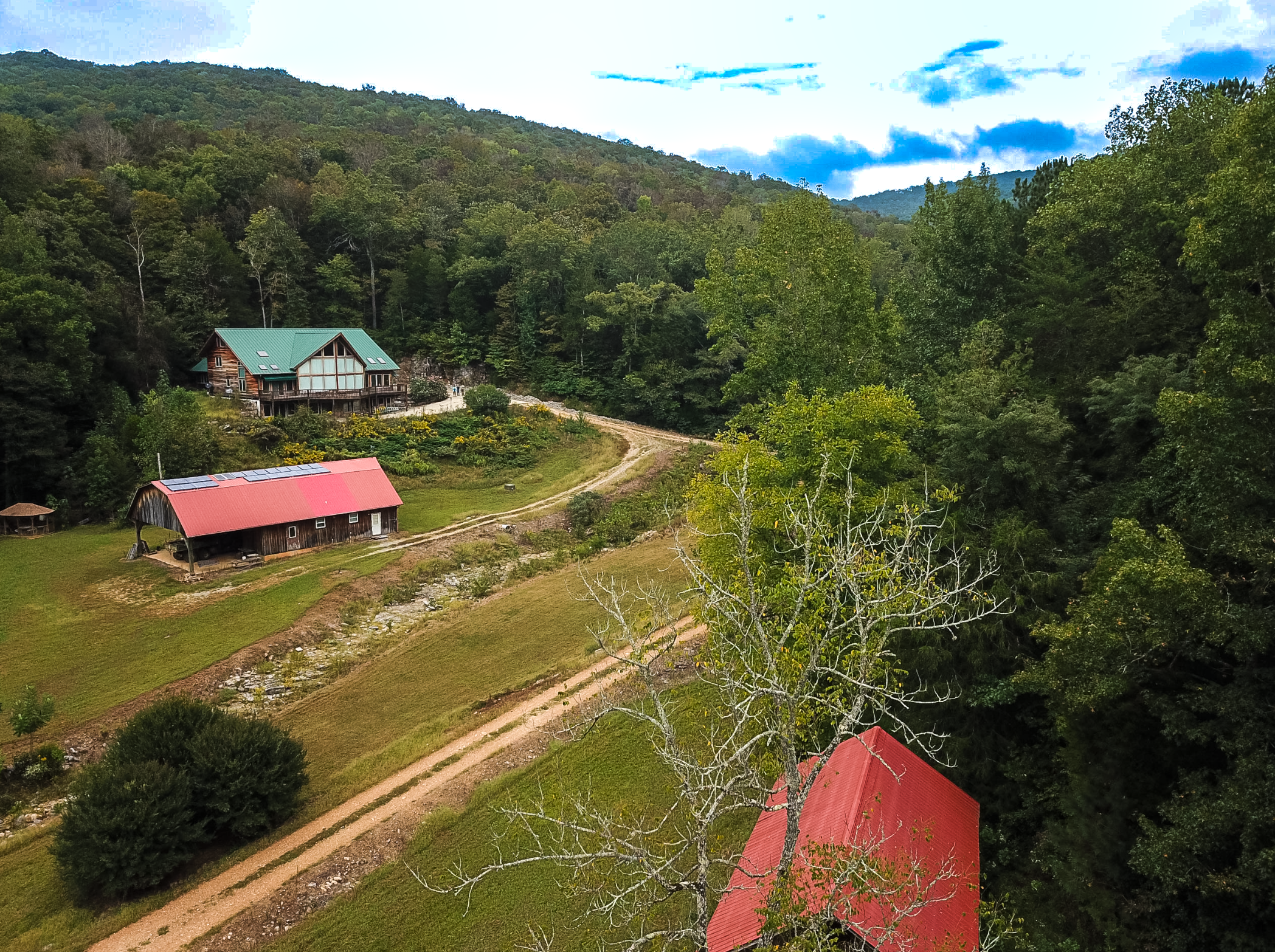
Paint Rock Research Center
Community-engaged Profile
❋My Connection to Paint Rock
I have been involved with Paint Rock Research Center since its early development as an independent nonprofit focused on biodiversity research and resilience in a changing world. Since 2017, I have participated in conversations about the center’s vision and growth, and I now serve on its Science Advisory Council.

Paint Rock operates independently but has built strong partnerships with universities and research organizations across Alabama and nationally (Paint Rock Research Center; Smithsonian ForestGEO). These collaborations support long-term biodiversity research while creating opportunities to train the next generation of scientists (Lemke et al., 2026).

With a strong scientific network already in place, the next step is strengthening connections with the communities surrounding Paint Rock. My project builds on this opportunity by exploring ways to create meaningful, two-way relationships between scientists and community members and, ultimately, strengthen trust in and support for science.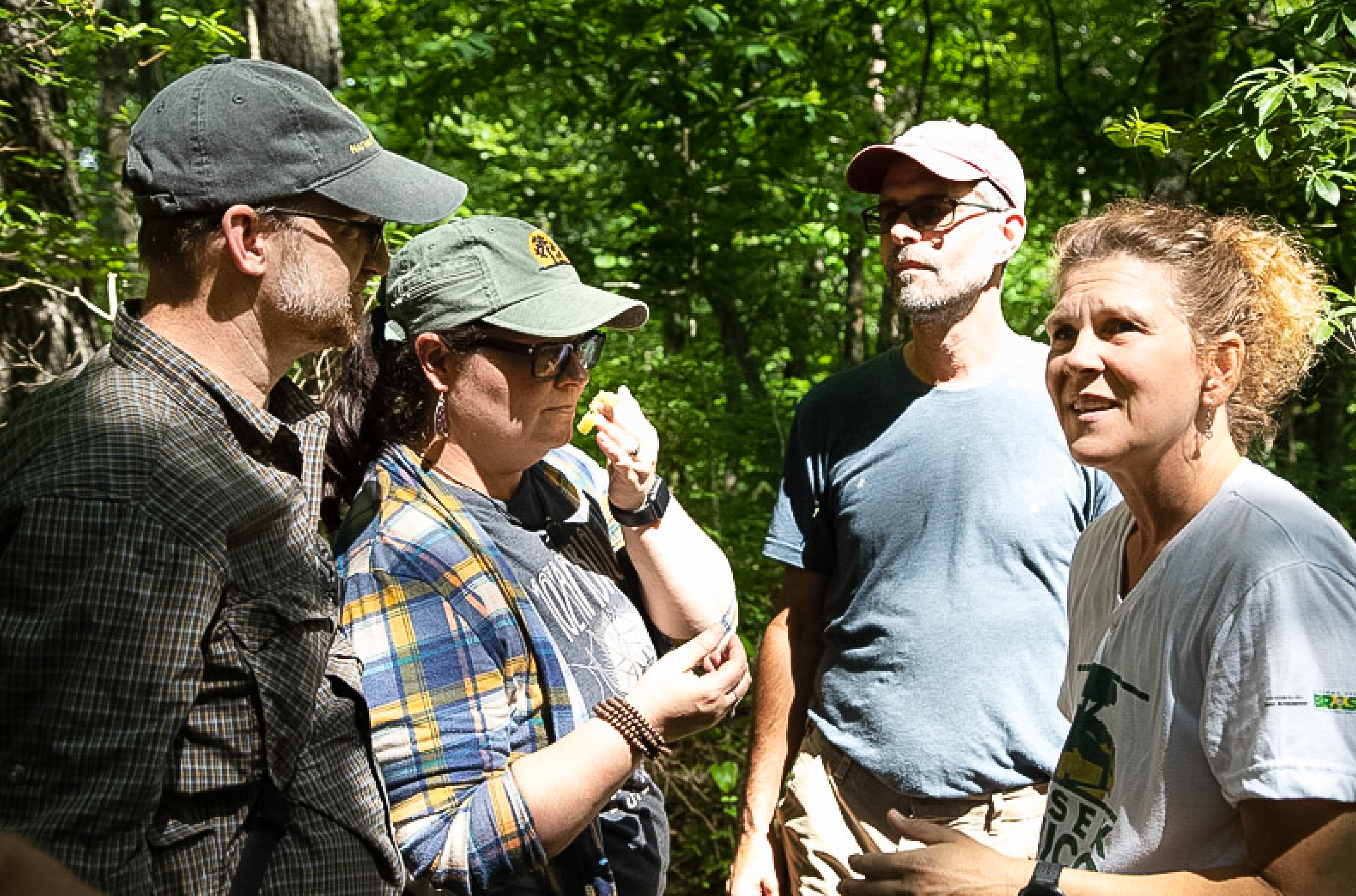
Connecting science, people, and place through meaningful community partnerships.
❋ Our Community/Who Paint Rock Serves
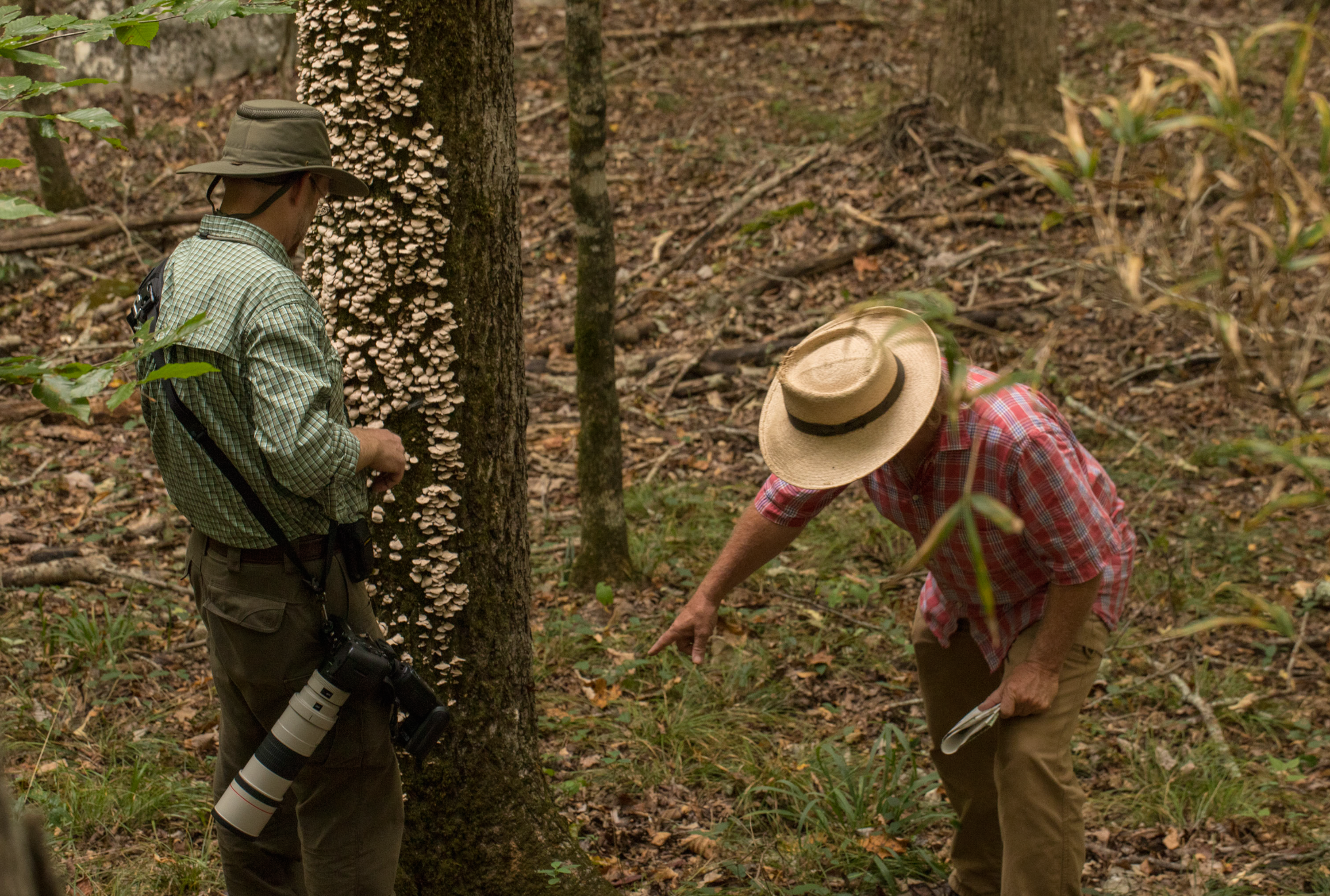
Paint Rock Research Center brings together scientists, university researchers, students, conservation organizations, artists, and other collaborators to study the extraordinary biodiversity of Paint Rock Valley. Through partnerships with universities and conservation organizations, the center supports research, education, training, workshops, and opportunities for the next generation of scientists (Paint Rock Research Center, n.d.).
An equally important audience is the community that surrounds Paint Rock. Because Paint Rock is a private research facility rather than a public institution, local residents have not traditionally been “users” in the same way as researchers and students. Building stronger connections with these communities represents an important opportunity for the center.
❋ The Paint Rock Community
For this project, our community includes residents of Paint Rock Valley and the surrounding rural communities of Jackson County.
The Paint Rock Census County Division has approximately 3,500 residents spread across nearly 100 square miles. The population is approximately 94% White, with a median age of about 45 and a median household income of approximately $51,000. About 19% of adults have a bachelor’s degree or higher (U.S. Census Bureau, 2024).
Looking more broadly, Jackson County includes more than 54,000 residents. This larger population represents an important potential audience for Paint Rock’s research, education, and community-engagement activities (U.S. Census Bureau, 2024).
❋ Connecting Science, People, and Place
Paint Rock has already developed a strong network connecting scientists, universities, students, and conservation organizations. The next opportunity is strengthening connections between this scientific community and the people who live in and around Paint Rock Valley.
Community engagement provides a way to make that relationship reciprocal. Rather than simply communicating scientific information to local residents, Paint Rock can listen to community priorities, learn from local knowledge, and identify opportunities for scientists and residents to work together.
My community-engaged project focuses on helping Paint Rock develop a framework for building these relationships. The goal is not simply greater public outreach, but meaningful, long-term partnerships that connect the biodiversity and science of Paint Rock with the people and communities of the region.
Paint Rock Research Center seeks to understand and protect biodiversity, train the next generation of scientists, and use Paint Rock as a model for how people and nature can thrive together in a changing world.
-
DescriPaint Rock Research Center values rigorous and ethical research, education that connects people with the region’s culture, history, and biodiversity, and conservation that protects healthy ecosystems. Together, these values aim to advance scientific understanding, train future scientists, and connect research and conservation with the people and communities of Paint Rock, Alabama, the country, and the world.ption text goes here
-
What Paint Rock needs to accomplish to get there : organizational capacity, facilities, funding, programs, partnerships, and long-term sustainability.
-
Paint Rock measures success by its ability to maintain scientific integrity, environmental stewardship, educational impact, financial sustainability, and long-term organizational resilience. Ecologically, success means leaving the landscape healthier, more biodiverse, and more functionally intact over time, rather than simply completing projects or facilities.
Paint Rock is still developing its community connection and how to measure success with the community.
Research. Educate. Conserve. Connect.
Paint Rock aims to strengthen connections between its research and the public, ensuring its science, education, and conservation efforts benefit the communities it serves. Developing more intentional, reciprocal relationships with surrounding communities is an emerging area of growth.
Existing Community-Engaged Collaborations and Partnerships
-
Assessment: Strong institutional collaboration; limited community-engaged collaboration with the target population.
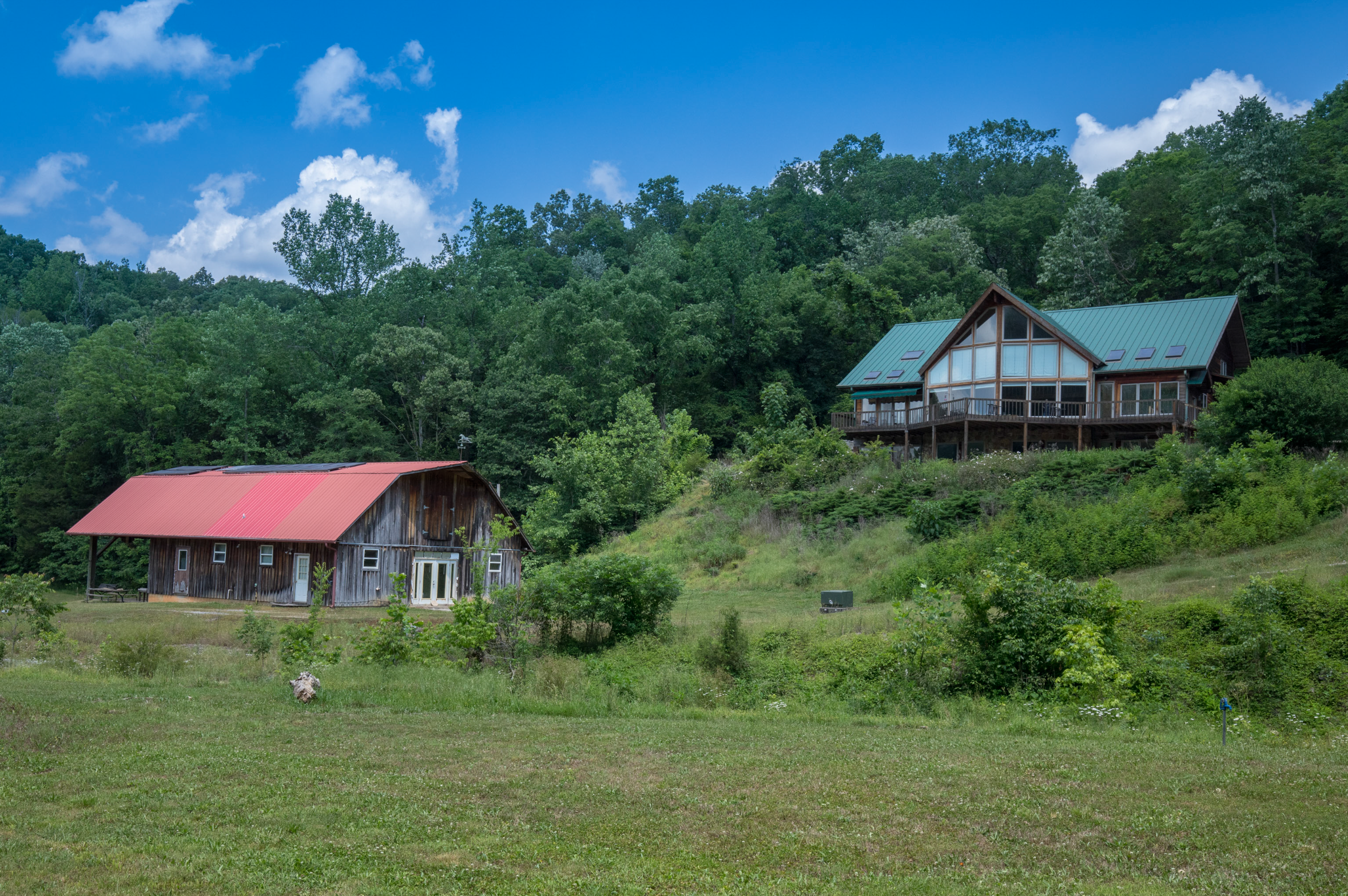
Paint Rock's strongest existing collaborative resources are its research sites, biodiversity data, scientific expertise, and access to a large living laboratory. The Center works with Alabama A&M University, the University of Alabama, University of Georgia, Auburn University, Jacksonville State University, Sewanee, HudsonAlpha, The Nature Conservancy, Smithsonian ForestGEO, and other organizations. These partnerships allow researchers and students to conduct long-term forest, aquatic, cave, genetic, and biodiversity research across Paint Rock's properties and additional lands made accessible through research agreements.
These resources are exceptionally strong for scientists and students, but they are currently less accessible to the surrounding community. Paint Rock is a private research facility and is not generally open to the public. Thus, while the Center produces substantial scientific knowledge about the landscape in which local residents live, there is not yet a clearly established mechanism for residents to routinely access, contribute to, or help shape these resources. Paint Rock's stated interest in learning from its Jackson County neighbors provides an opportunity to transform these scientific resources into more reciprocal community resources.
-
Assessment: Community engagement is explicitly valued and emerging, but mechanisms for sustained two-way engagement remain underdeveloped.
Paint Rock communicates its work through its website, online stories and field notes, news coverage, social media, educational materials, and public-facing stories about research and conservation. Its website increasingly frames communication around "Reconnecting People and Place," stating that helping people understand Alabama's biodiversity must begin with the people surrounding Paint Rock. Importantly, Paint Rock says it wants both to share scientific discoveries with its Jackson County neighbors and learn what those neighbors know about the landscape.
That language reflects an emerging two-way model of communication rather than traditional science outreach in which scientists simply provide information to the public. However, the website provides limited evidence that a formal structure currently exists for sustained dialogue with local residents, such as community advisory groups, listening sessions, co-created communication products, or mechanisms for residents to identify research and communication priorities. The strategic plan supports further development in this area: the proposed organizational structure includes a Communications Director responsible for disseminating technical and news communications, while the Executive Director serves as a liaison among partners, donors, and the public and is charged with cultivating public engagement.
-
Assessment: Strong collaborative programming with educational and professional populations; opportunities remain for programs co-created with local residents.
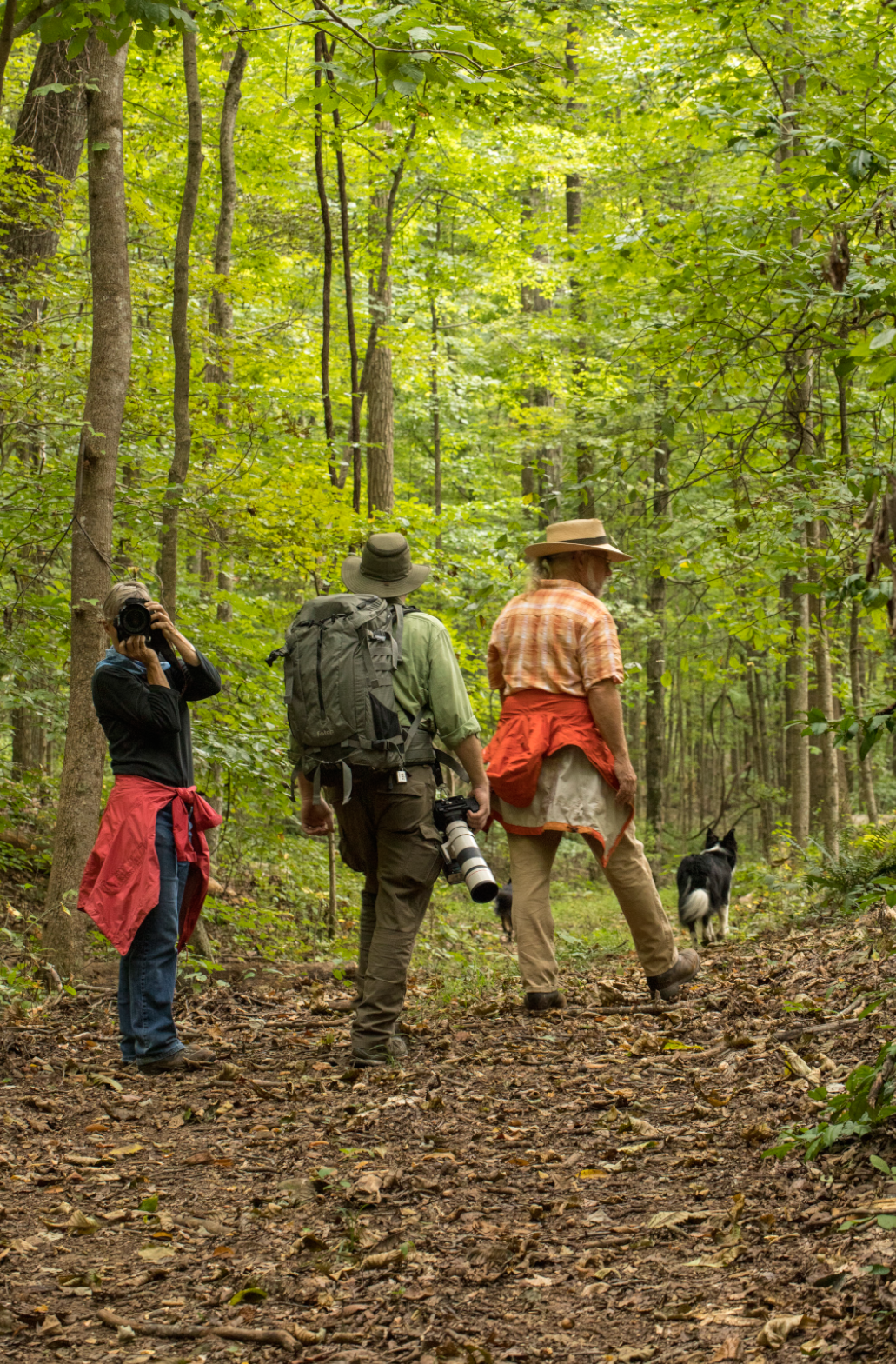
Paint Rock has a substantial range of educational and experiential programming developed through partnerships. The Center has hosted workshops in photography and videography, architecture, and controlled burning and provides field experiences for students, interns, researchers, and artists. Its internship program has been developed through collaborations including Alabama A&M University and the Student Conservation Association and intentionally seeks to expand opportunities for students from backgrounds historically underrepresented in environmental science.
Paint Rock is also expanding beyond traditional scientific audiences through arts-based partnerships. For example, its Artist-in-Residence program is being developed with Jacksonville State University's Department of Art + Design, bringing artists and scientists together to interpret Paint Rock's ecology through creative work. Paint Rock Forest Research Center These programs demonstrate strong collaborative capacity and broaden the ways people can engage with science and biodiversity. However, most existing programs appear primarily designed around students, scientists, professionals, and artists rather than the surrounding Jackson County community. Developing programs with local residents, rather than simply making existing programs available to them, would represent a stronger community-engaged model.
-
Assessment: Very strong partnership infrastructure; community representation and shared decision-making are emerging opportunities.
Partnership itself is one of Paint Rock's greatest organizational strengths. The Center has built a broad network connecting universities, scientists, conservation organizations, students, artists, government programs, and other institutions. Its developing strategic structure would formalize these relationships through a Consortium and Partners body consisting of representatives from outside institutional partners. The proposed consortium would facilitate communication among partners and Paint Rock's Science, Education, and Conservation committees and could contribute researchers, graduate students, artists, and educational staff.
There are potential avenues for community representation. The proposed Paint Rock Research Center Foundation Board includes members from "Communities of Interest," alongside representatives of research, education, conservation, finance, and organizational leadership. This indicates movement toward broader representation, but the current materials do not establish a formal mechanism through which local residents themselves participate in Paint Rock's planning or decision-making. A community advisory group, community representatives on committees, listening sessions, or other forms of shared planning could move Paint Rock from institutional partnership toward deeper community engagement.