Transforming Paint Rock Research Center (PRRC) from a research organization that primarily connects scientists with other scientists and academics into one that also connects scientific expertise with the needs, knowledge, and priorities of surrounding communities.
Community Engagement
✳︎
Trust in Science
✳︎
Collaborative Research
✳︎
Shared Decision-Making
✳︎
Community Engagement ✳︎ Trust in Science ✳︎ Collaborative Research ✳︎ Shared Decision-Making ✳︎
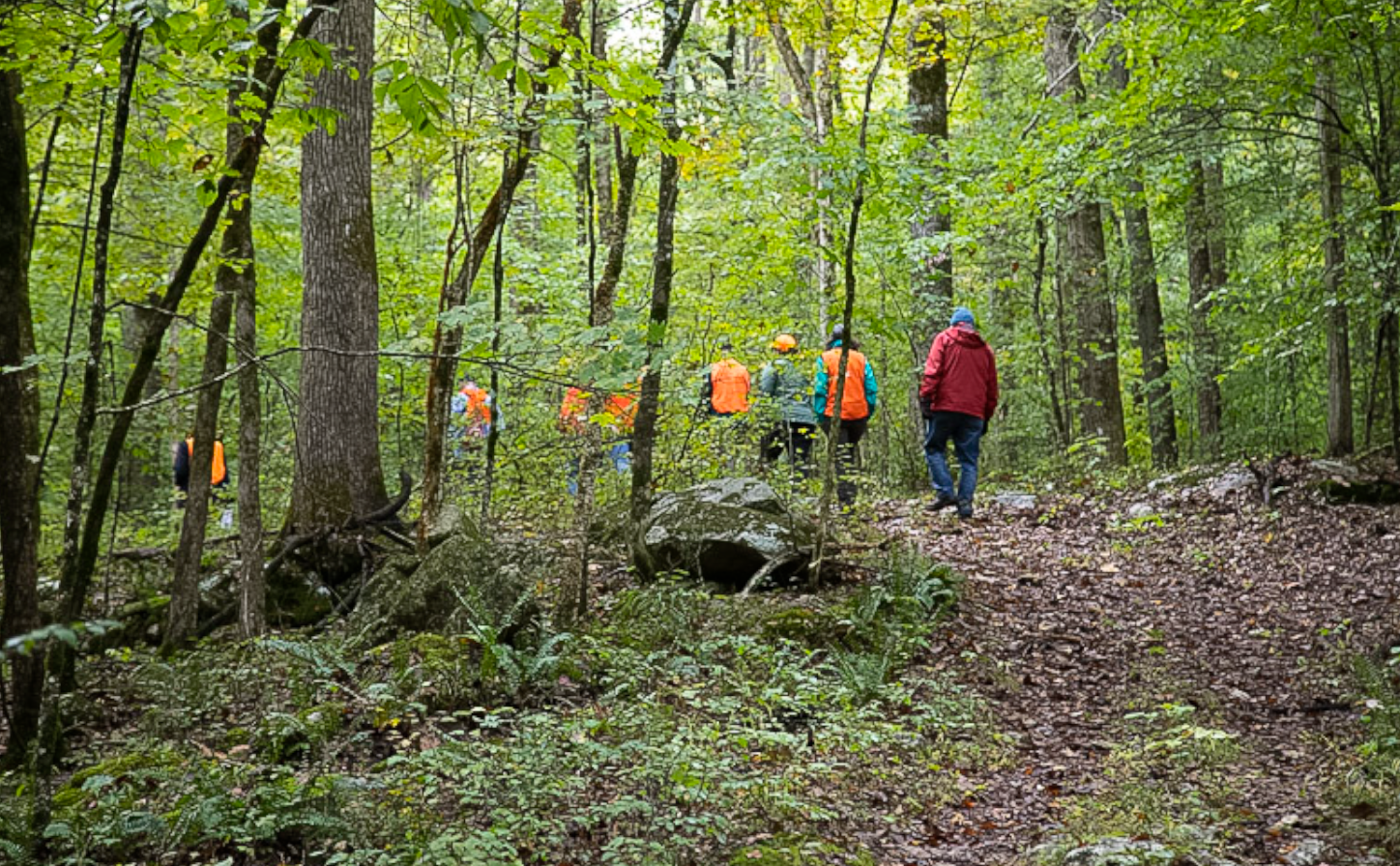
Above photo by Beth Finch of a group of scientists at Paint Rock Research Center.
Building Community Partnerships Through Science
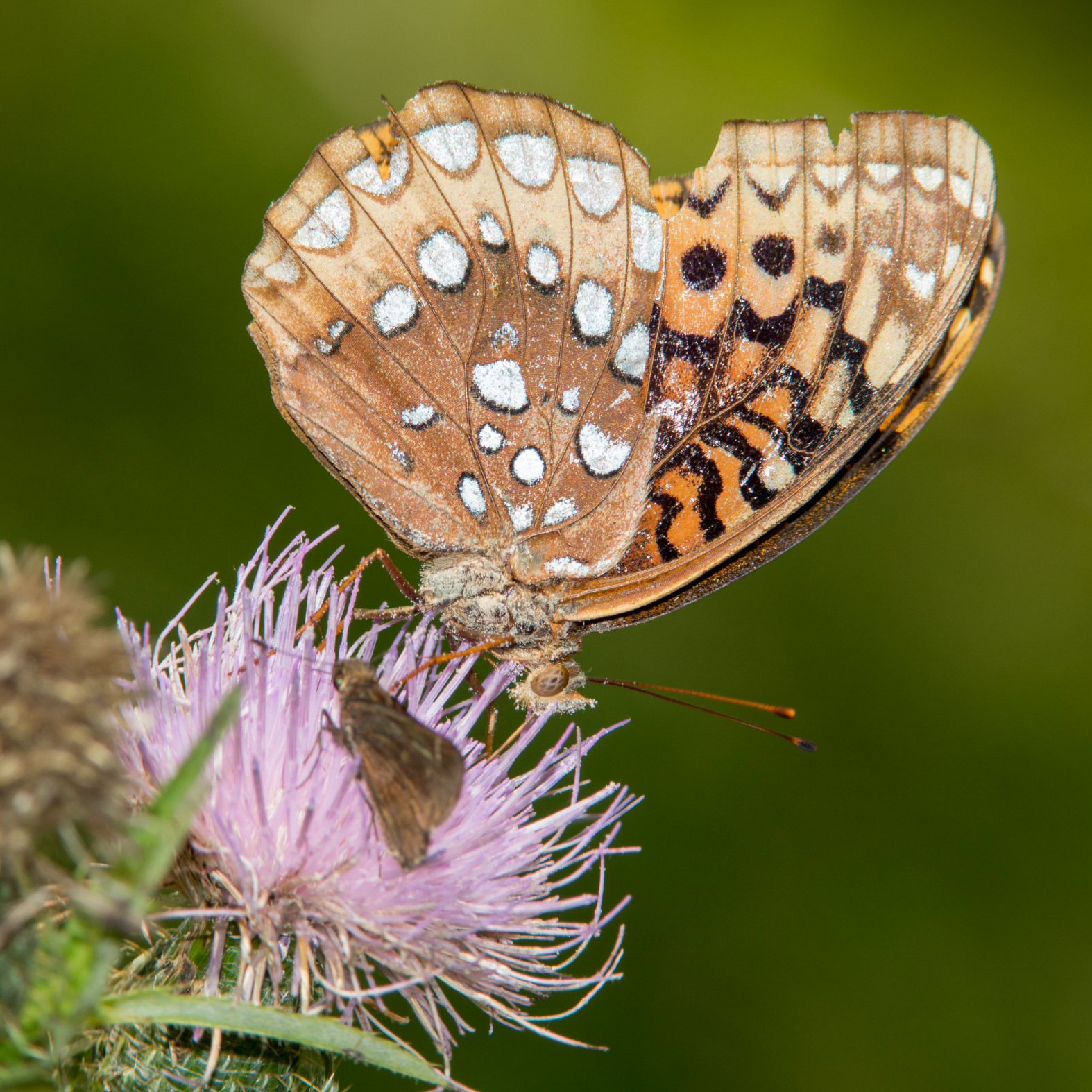
Gulf Fritillary butterfly at Paint Rock Research Center
Imapcts and Outcomes
My community-engaged project at Paint Rock Research Center (PRRC) has focused on developing a framework for connecting scientific research with the needs and priorities of surrounding rural communities. While PRRC has strong relationships with universities and conservation organizations, opportunities exist to build more meaningful partnerships with local residents.
Through stakeholder conversations, literature reviews, and peer feedback, I identified potential collaborators and strategies for engaging communities through trusted local organizations, including schools, libraries, and farmers markets.
The primary outcome has been developing a framework that positions PRRC as a bridge between scientists and communities, allowing residents to help identify research priorities and participate in collaborative inquiry. This approach aligns with Garlick and Fallon's (2023) ECO framework and principles of community-based research described by Galappaththi et al. (2026).
For PRRC, this creates a foundation for future partnerships. For community members, it offers opportunities to shape research addressing local concerns. Personally, the project has helped me connect my ecological background with my doctoral research in science communication.
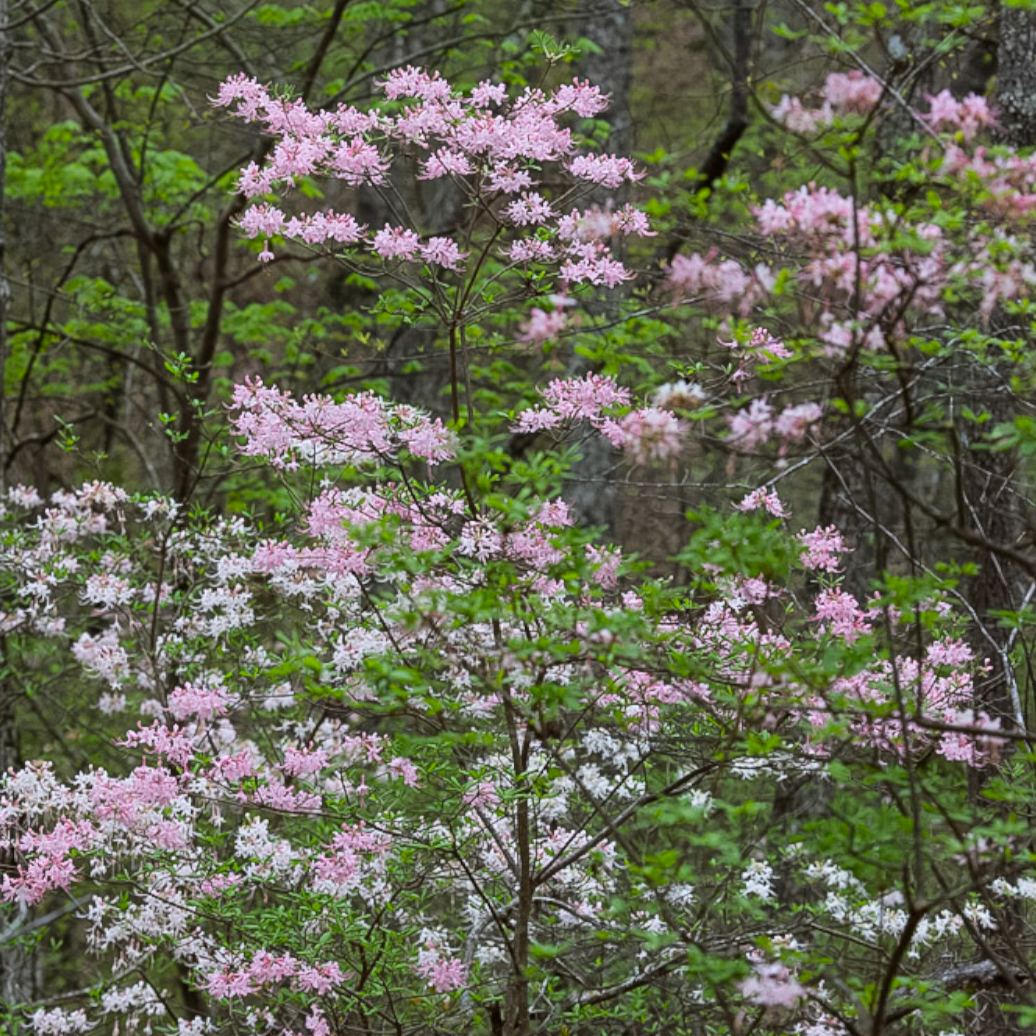
Native Azalea at Paint Rock Research Center
Plan of Action
My plan is to establish a sustainable community-engagement program at PRRC that brings together scientists, local residents, community leaders, and science communicators to address environmental concerns identified by the community.
Phase 1: Build Relationships (0–6 months)
Partner with local schools, libraries, farmers markets, and community organizations to conduct listening sessions and interviews. These conversations will identify community priorities, environmental concerns, and opportunities for collaboration.
Phase 2: Develop Partnerships (6–12 months)
Connect identified community needs with researchers and organizations that have relevant expertise. Potential collaborators include Alabama universities, conservation groups, watershed organizations, and science communication specialists. McMaster University's Research Shop provides a useful model for connecting community questions with academic research.
Phase 3: Collaborative Research (12–24 months)
Develop one or two pilot projects in which community members and scientists jointly establish research questions, participate in research, and determine how findings are shared. Results will be communicated through accessible reports, community meetings, and online resources.
Evaluation and Sustainability
Success will be measured through community feedback, participation in decision-making, partnership development, and the usefulness of research outcomes. This approach follows Garlick and Fallon's (2023) ECO framework and the collaborative research principles described by Galappaththi et al. (2026).
Ultimately, the goal is to make community engagement an ongoing part of PRRC's research mission rather than a separate outreach activity.
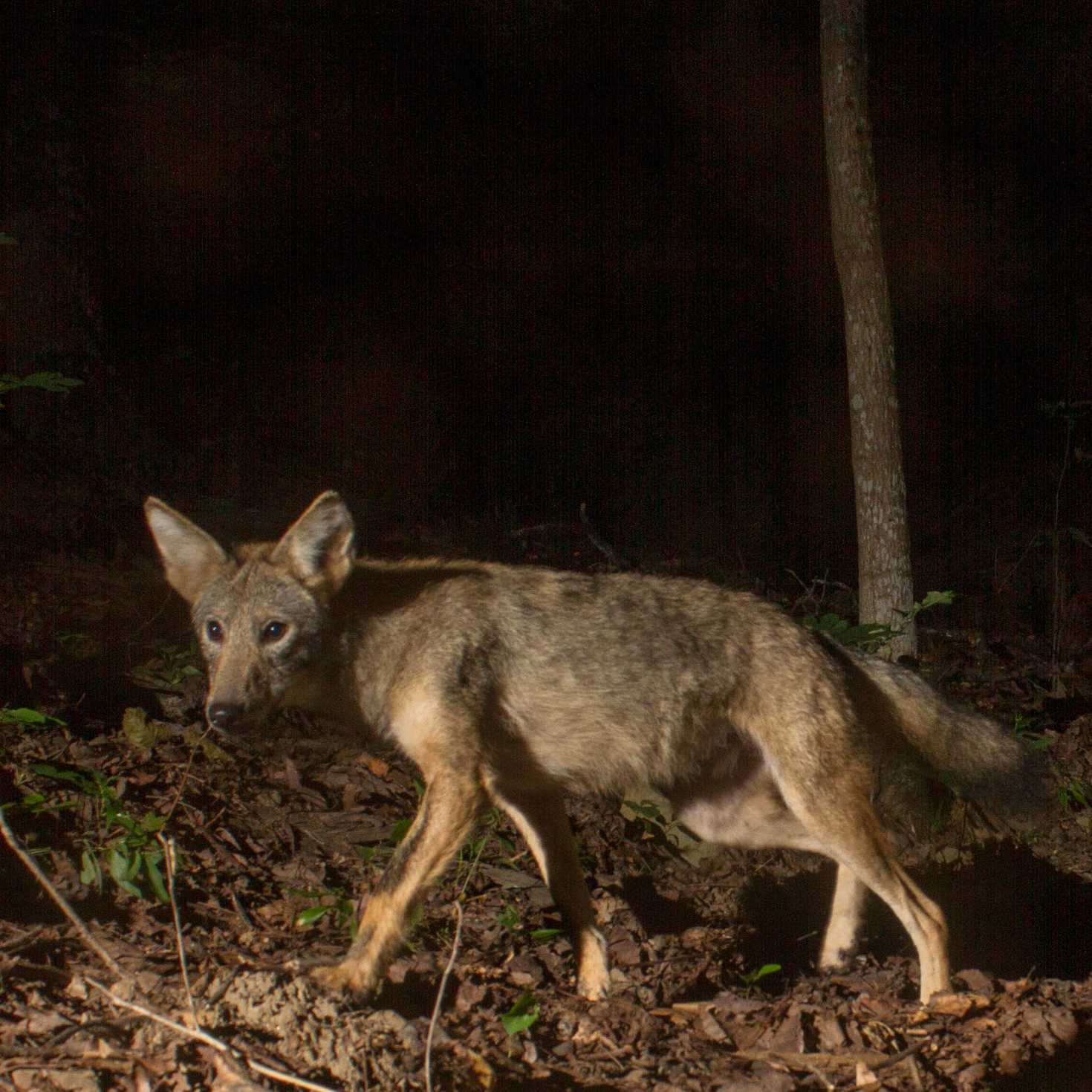
Coyote at Paint Rock Research Center
Milestones and Projections: Moving Forward
Milestones Achieved
This project has helped me transition from traditional science outreach toward developing meaningful community-engaged research partnerships. Key accomplishments include:
Identifying that the first step in the process is to interview community members in Jackson County surrounding Paint Rock to assess important topics and concerns.
Documenting PRRC's existing research partnerships and identifying opportunities for greater community involvement.
Reviewing successful community-engagement models, including Harvard Forest and McMaster University's Research Shop.
Developing a preliminary engagement framework based on Garlick and Fallon's (2023) ECO model.
Gathering feedback from stakeholders and classmates and identifying potential collaborators, including schools, libraries, and community organizations.
My Professional Development
This project directly supports my doctoral research in science communication, particularly my interest in how community engagement influences trust in science. My next step is to explore qualitative interviews with residents to better understand local concerns, perceptions of scientific institutions, and opportunities for collaborative research.
Future of Paint Rock Research Center
I envision PRRC becoming a model for community-engaged science research in rural communities. By connecting scientific expertise with locally identified needs, PRRC can develop sustained partnerships, support collaborative research, and make scientific findings more accessible and useful.
This vision reflects the knowledge co-production principles described by Djenontin and Meadow (2018) and the ECO framework of Garlick and Fallon (2023). My long-term goal is to help make community engagement an integral part of how environmental research is developed, conducted, and communicated.